Local efficiency can lower end-to-end capacity.
A network optimised for full departures can deliver uneven arrivals to a terminal. The resulting dwell time consumes equipment, working capital and customer confidence elsewhere in the chain.

Network operators sell capacity, orchestrators sell coordination, and terminals sell flow through constrained infrastructure. Their economics can move in opposite directions on the same shipment. This page is for CEOs, CFOs and boards facing a fleet, network, contract or terminal investment decision.
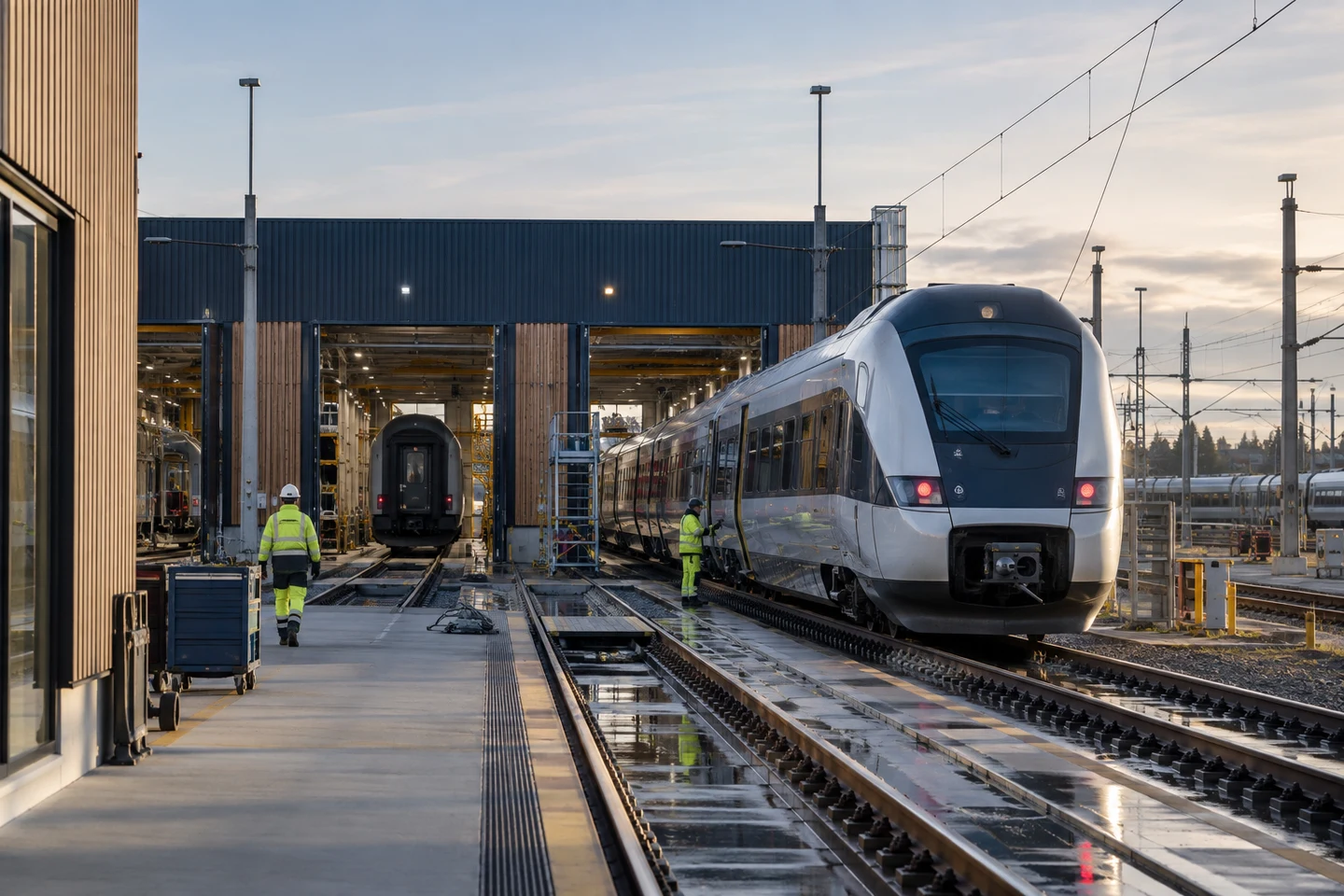
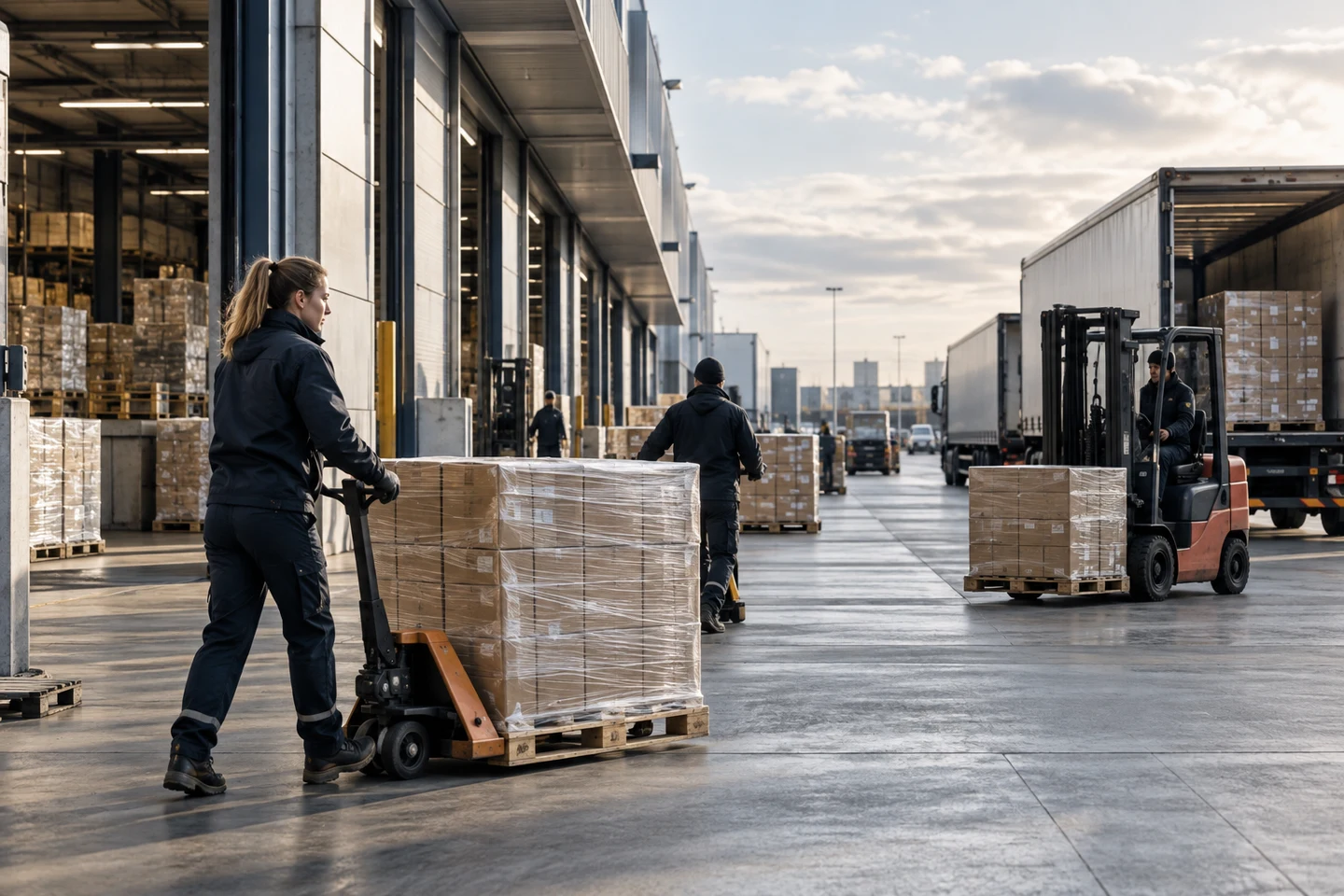
Margin depends on route contribution, asset availability and matching committed capacity to demand.
Margin depends on procurement spread, shipment density and the cost of managing exceptions.
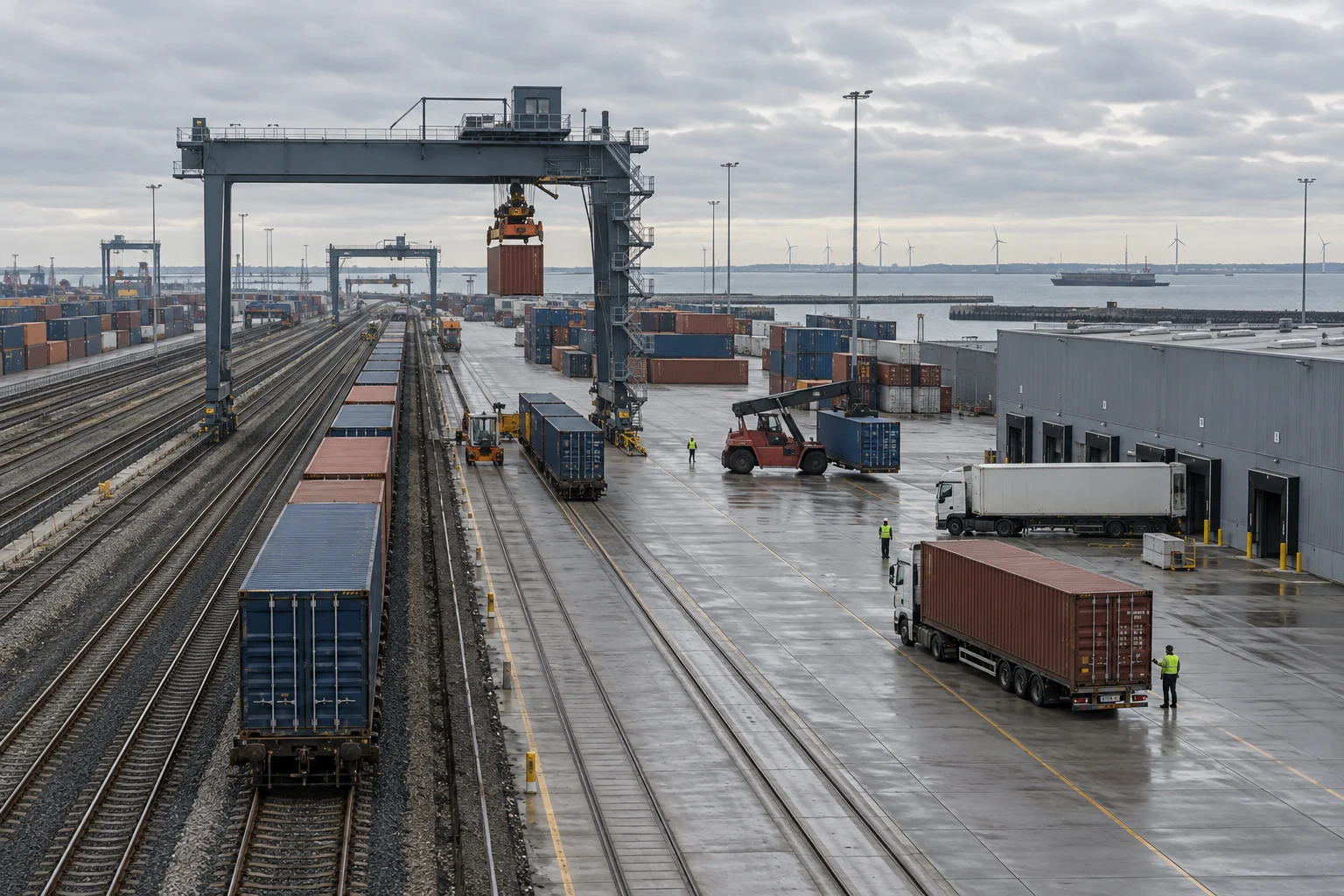
Return depends on throughput at the bottleneck, dwell time and reliable ramp-up of fixed assets.
Margin depends on route contribution, asset availability and matching committed capacity to demand.
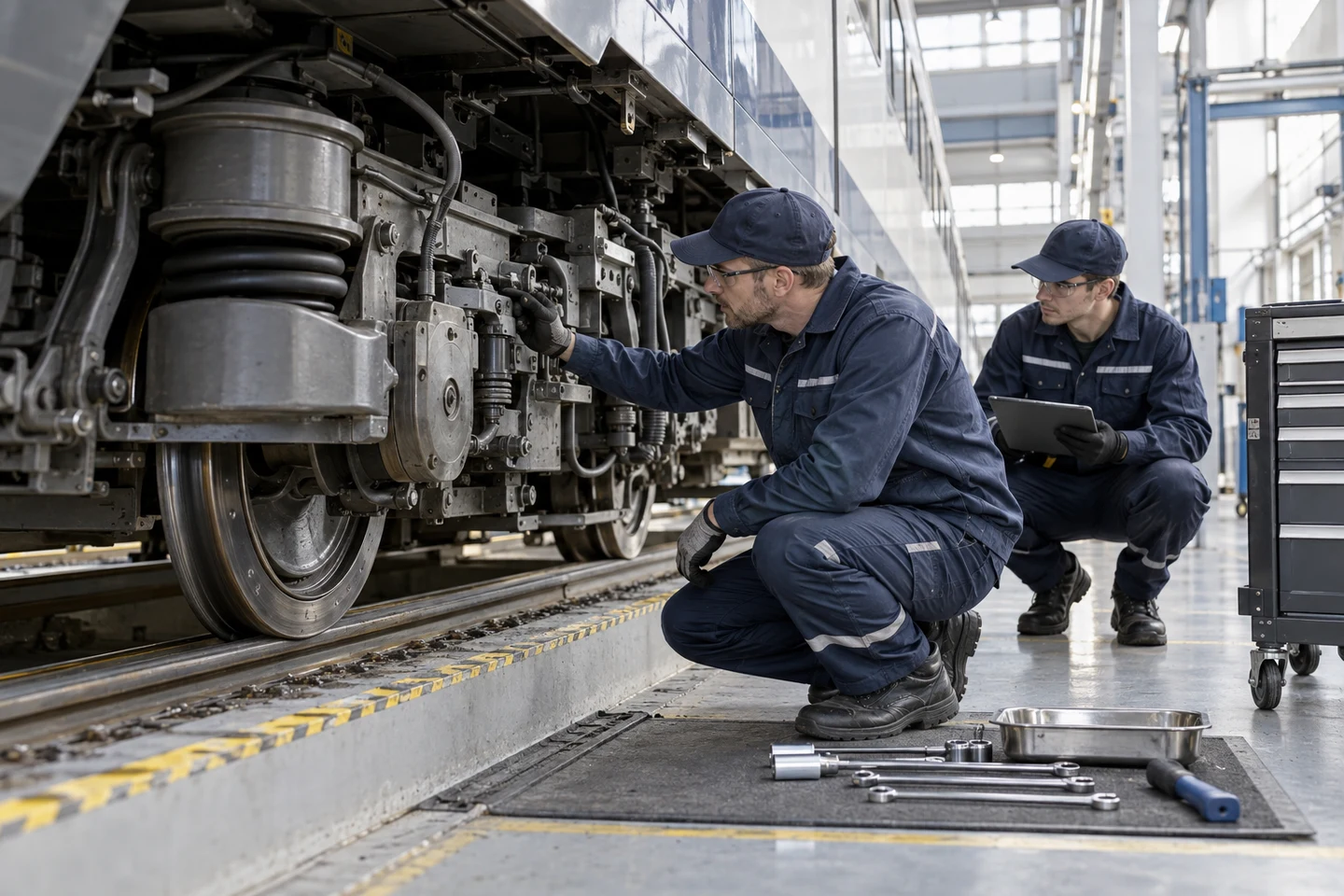
A fleet or network commitment continues to incur cost when equipment is unavailable. Replacement capacity, missed connections and disrupted schedules can dominate the maintenance invoice.
Assess maintenance against service delivery and total network contribution, not workshop cost alone.
Loads, routes and service promises consume different combinations of distance, peak capacity and handling. Average cost can conceal contracts that occupy scarce capacity without paying for it.
Price and plan against route and customer contribution, including the peak capacity each commitment requires.
For the board
Align capacity commitments, service promises and exception ownership across the operating chain before approving local efficiency targets.
Explore shared decisions ↓Margin depends on procurement spread, shipment density and the cost of managing exceptions.
Carrier procurement and customer pricing reset on different schedules. Volume commitments made to protect service can become costly when demand or spot prices move.
Match contract duration, price reset and volume commitments on both sides of the shipment.
A standard booking may require little handling, while customs queries, missed milestones and claims create repeated manual work. Shipment-level gross margin misses that effort when it sits in overhead.
Track contribution after exception handling by customer and lane before automating or repricing.
Return depends on throughput at the bottleneck, dwell time and reliable ramp-up of fixed assets.
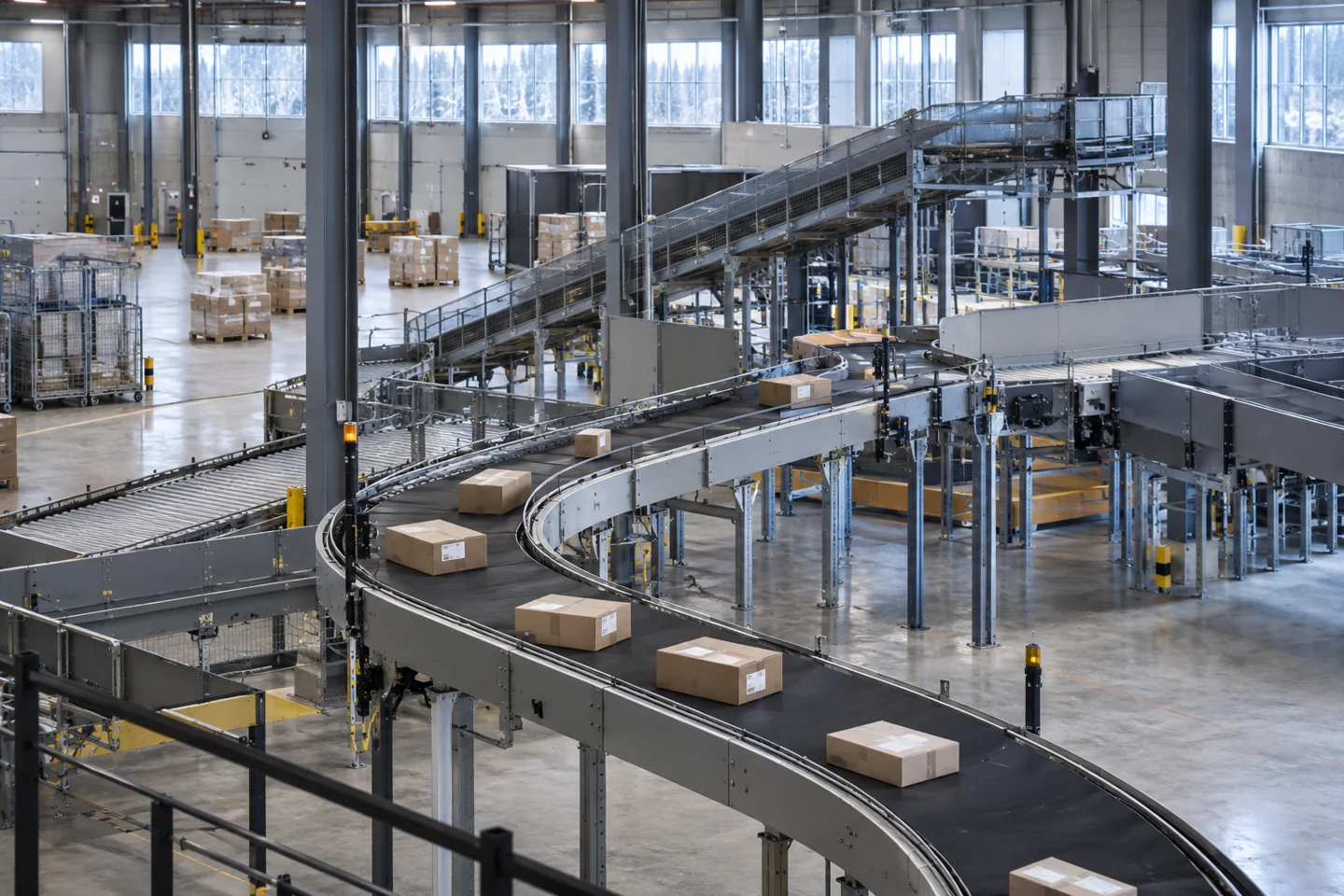
A terminal can have spare equipment while gates, storage, staffing or upstream arrivals constrain flow. Adding hardware at the wrong point increases capital without removing the bottleneck.
Model the full flow and arrival pattern before approving another capacity module.
Equipment, software, work practices and upstream processes must stabilise together. A construction-complete milestone says little about sustainable operating throughput.
Release investment against demonstrated flow and recovery capacity, with one accountable ramp-up owner.
Transportation & Logistics · Strategic Decisions
Passenger rail operator
Transportation & Logistics · Operating Model · Strategic Decisions · Cost Out
Passenger rail operator
Transportation & Logistics · Special & Urgent Situations · Operating Model
European postal and logistics operator