

Bearaco

Brand, store and distribution growth can pull margin in opposite directions.

Brand owners sell consumer preference, retailers earn through locations and baskets, and distributors monetise availability and reach. Volume bought in one part of the chain can consume value in another. This page is for CEOs, CFOs and boards deciding how to grow, reshape an estate or integrate acquired businesses.

Illustrative Nordic retail environment with produce aisles and shoppers
Illustrative A retail assortment planning table with product packaging samples and an unbranded store layout model, hands of planners only

How the sector divides

Brand owners

Margin depends on realised price, repeat demand and contribution after trade and channel spending.

A shipment is not proof of consumer demand.

Distributor orders and retail sell-in can build stock ahead of actual consumption. Promotions may bring forward a purchase rather than add profitable demand.

So what

Judge campaigns against consumer sell-through, repeat demand and net contribution after trade spending.

A new channel can dilute the proposition it expands.

Marketplaces, wholesale partners and direct channels create different prices, service needs and data access. Undifferentiated expansion can create conflict while adding fulfilment and acquisition costs.

So what

Choose channel roles and price architecture together, with a full cost-to-serve view.

When the decision moves onto your agenda.

  • Promotional spending increases but repeat sales and gross contribution do not follow.
  • A large channel partner requests terms that conflict with the direct offering.
  • A disposal or acquisition depends on a growth story that customer concentration could overturn.
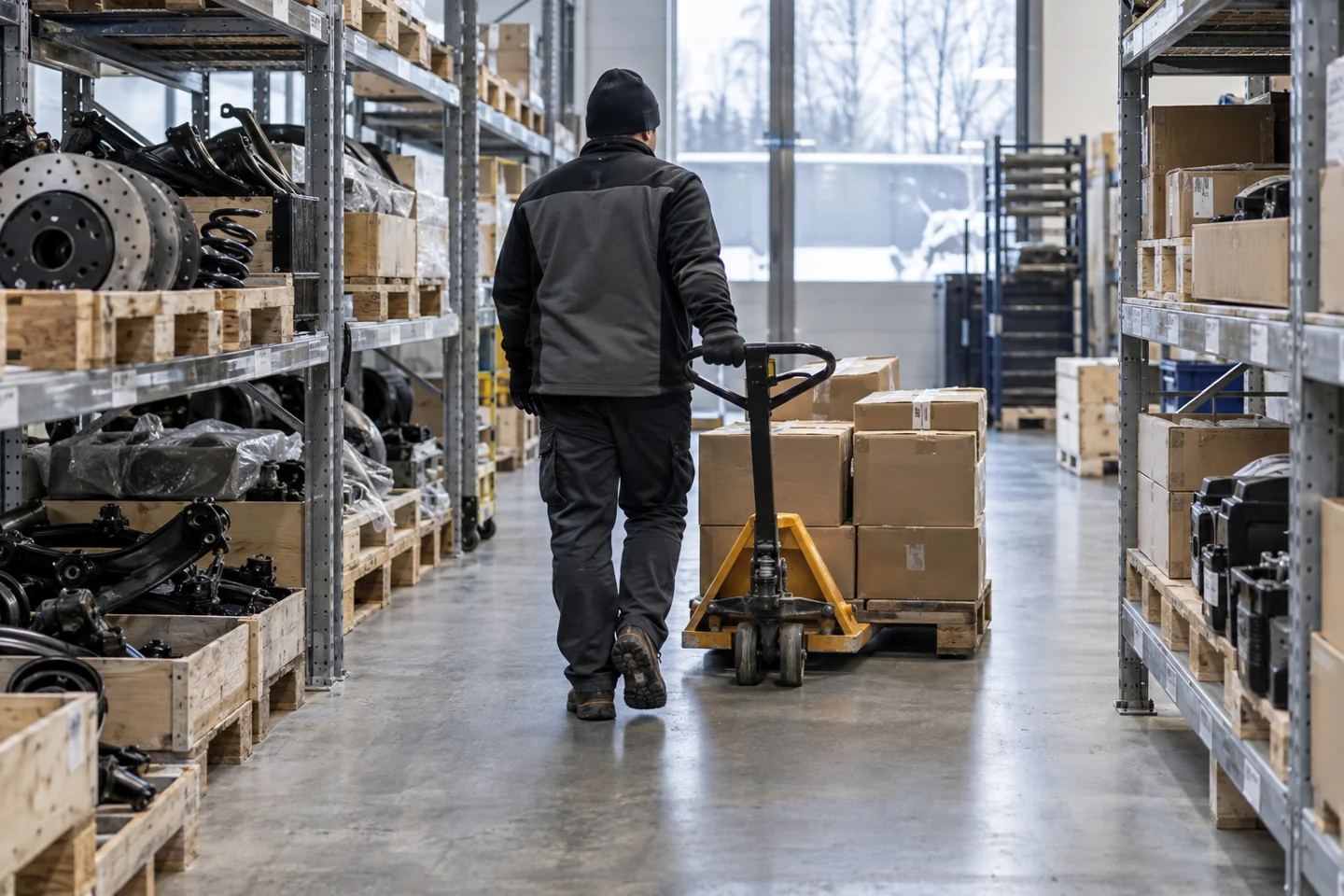
Illustrative retail fulfilment centre with an employee scanning parcels beside inventory shelves.

For the board

Reconcile consumer demand, channel contribution and inventory cash before approving another expansion or promotional programme.

Explore shared decisions ↓

Retailers with physical estate

Margin depends on store contribution, space productivity and converting inventory before markdown.

Comparable stores can carry different operating models.

Opening hours, assortment and labour deployment may have accumulated locally. Estate averages can conceal both transferable operating practices and structurally weak locations.

So what

Separate format and catchment effects from execution before deciding what to standardise or close.

Inventory creates a second rent bill.

Stock uses cash and selling space until it converts into revenue. Extending the assortment can dilute availability of core lines and increase markdown exposure.

So what

Connect assortment decisions to stock turns, full-price sell-through and store-level cash contribution.

When the decision moves onto your agenda.

  • A lease renewal arrives for a store whose contribution is unclear after central allocations.
  • Inventory rises while core-line availability and full-price sell-through decline.
  • Similar stores show persistent performance gaps without a common operating standard.

Distribution & roll-ups

Margin depends on assortment availability, purchasing terms, branch density and integration discipline.

Availability creates value only when the assortment pays for it.

A broad catalogue can support the customer relationship while tying cash in slow-moving lines. Gross margin by item misses the branch and inventory capacity required to keep the promise.

So what

Set assortment and service levels against contribution after inventory and fulfilment cost.

Acquisitions add purchasing scale before they add operating consistency.

Branches, systems and supplier arrangements may remain separate after legal completion. A synergy target can then depend on changes that the integration plan has not funded.

So what

Assign owners to price, purchasing, stock and branch decisions before booking the acquisition benefits.

When the decision moves onto your agenda.

  • A roll-up has common ownership but incompatible product masters and supplier terms.
  • Branch sales recover while working capital keeps consuming cash.
  • An acquired business misses its investment case and the group must choose between restructuring and exit.

The customer sees one offer; the chain carries several profit accounts.

A promotion can move stock without creating value.

A brand can count extra sell-in, a retailer can count traffic and a distributor can count volume. Unless returns, trade spending and inventory are reconciled, all three can report success while total cash deteriorates.


Availability and assortment are shared capital decisions.

The same service promise sets stock levels at the brand, warehouse and store. Local buffers can accumulate when no one owns the end-to-end demand and replenishment assumptions.

Cases

Explore all engagements →

Talk it through with a partner.

Bring a channel, store-estate or acquisition decision. We would follow the consumer demand through price, cost to serve and working capital to identify where growth creates cash.

Bearaco partners

Email a partner