
Bearaco

A contract, a development and a building need different margin disciplines.

Contractors sell delivery, developers commit capital before demand is certain, and property owners earn through occupied assets. A common cost programme can shift risk between them without improving the total return. This page is for CEOs, CFOs and boards deciding which work to take, when to build and where to commit property capital.

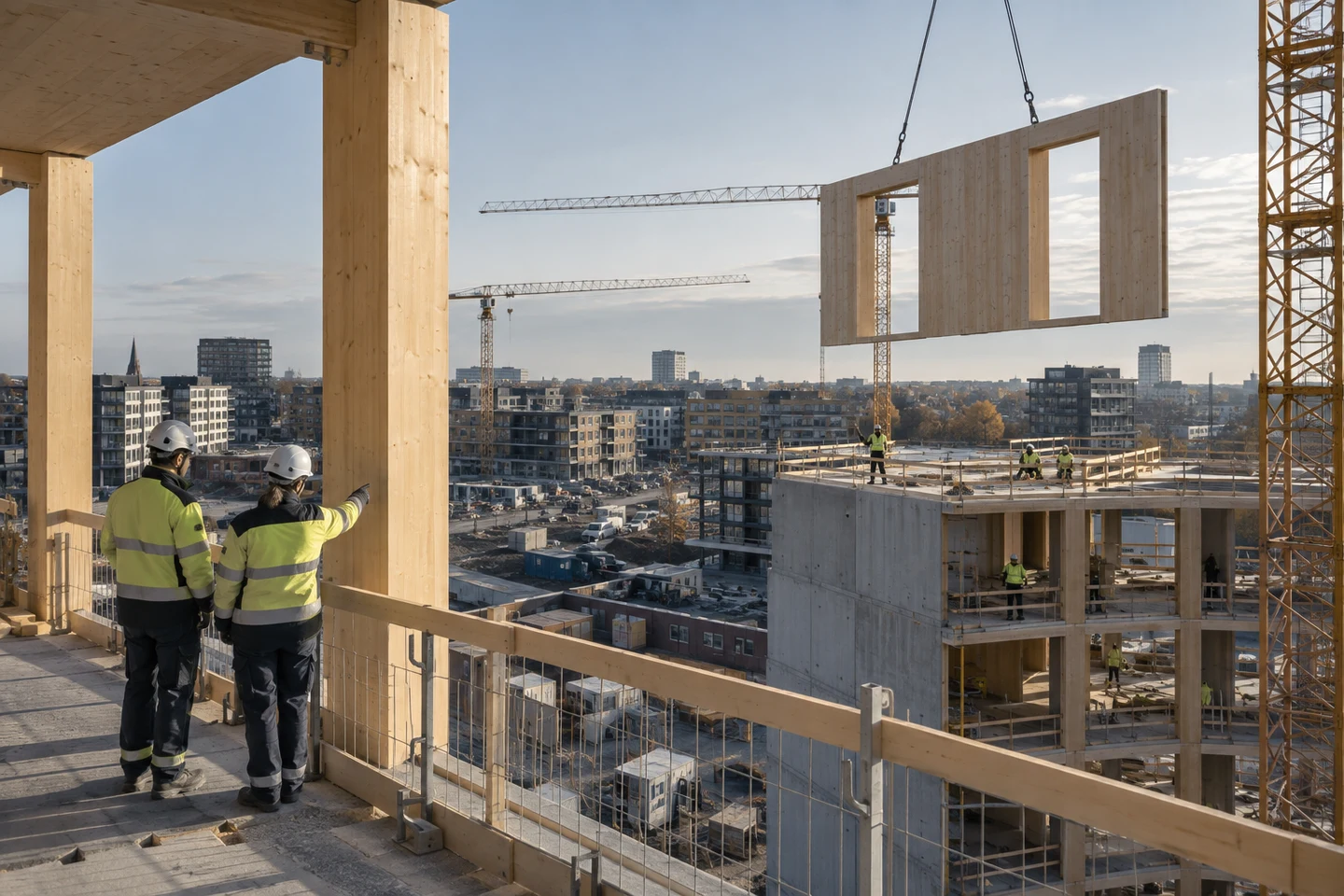
Illustrative Nordic construction site with structural timber, concrete and cranes
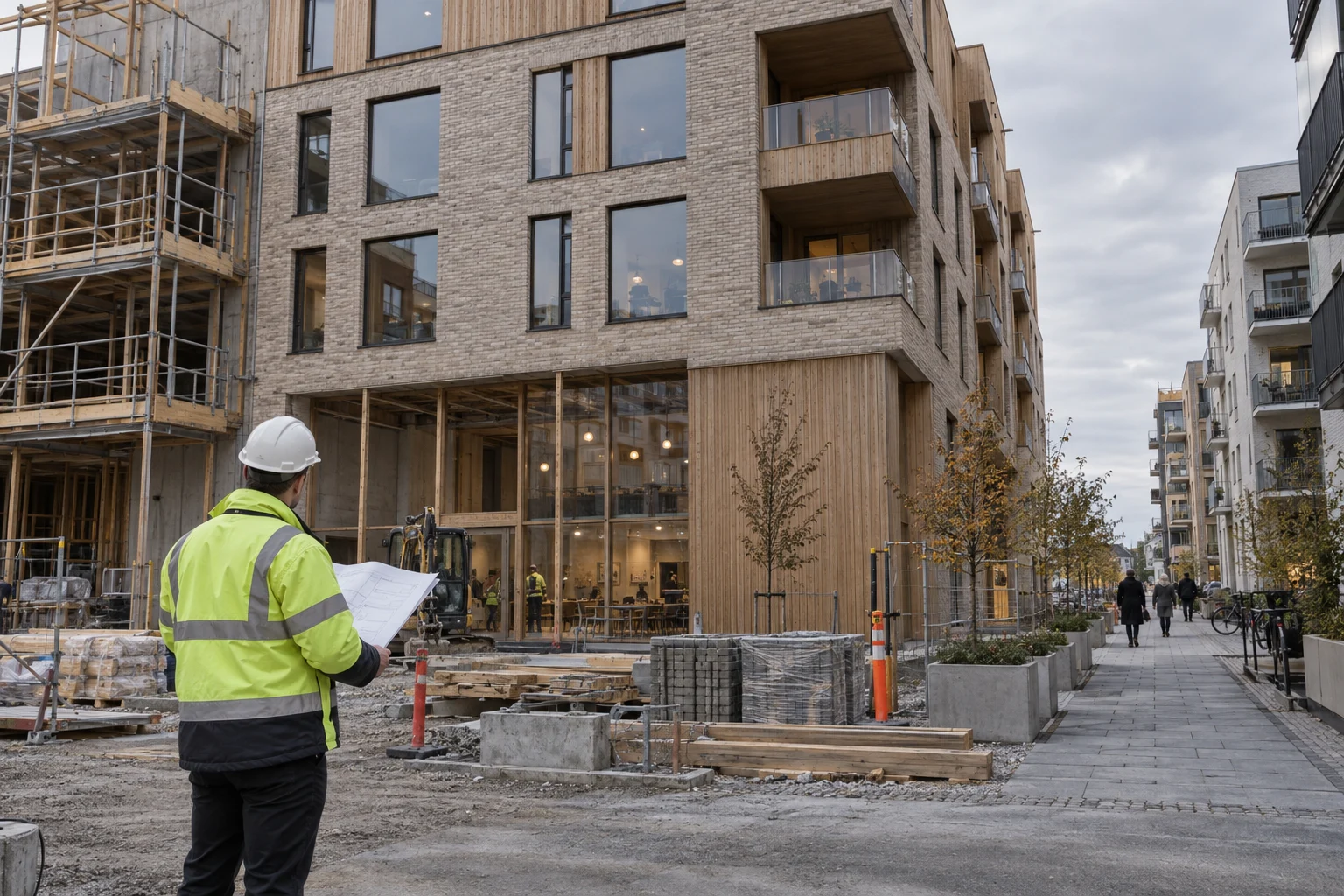
Illustrative A contemporary brick and timber mixed-use city block at street level

How the sector divides

Contractors

Margin depends on bid discipline, delivery productivity and converting variations into cash.

Backlog is not the same as future profit.

A signed contract fixes some commitments while design, subcontracting and execution remain open. Revenue growth can therefore add exposure faster than the organisation adds control.

So what

Review forecast margin and cash at completion alongside backlog, with explicit ownership of unresolved scope.

Central savings can reappear as project cost.

Moving support work out of a central function does not remove the task. Project managers may absorb it at a higher cost or lose time needed for planning and claims.

So what

Design support around repeatable project needs and count transferred effort before approving savings.

When the decision moves onto your agenda.

  • A tender deadline arrives before design changes and subcontractor quotes have been reconciled.
  • Project margins deteriorate between award and completion, although the order book keeps growing.
  • A support-function reduction is approved without deciding which tasks projects must take over.
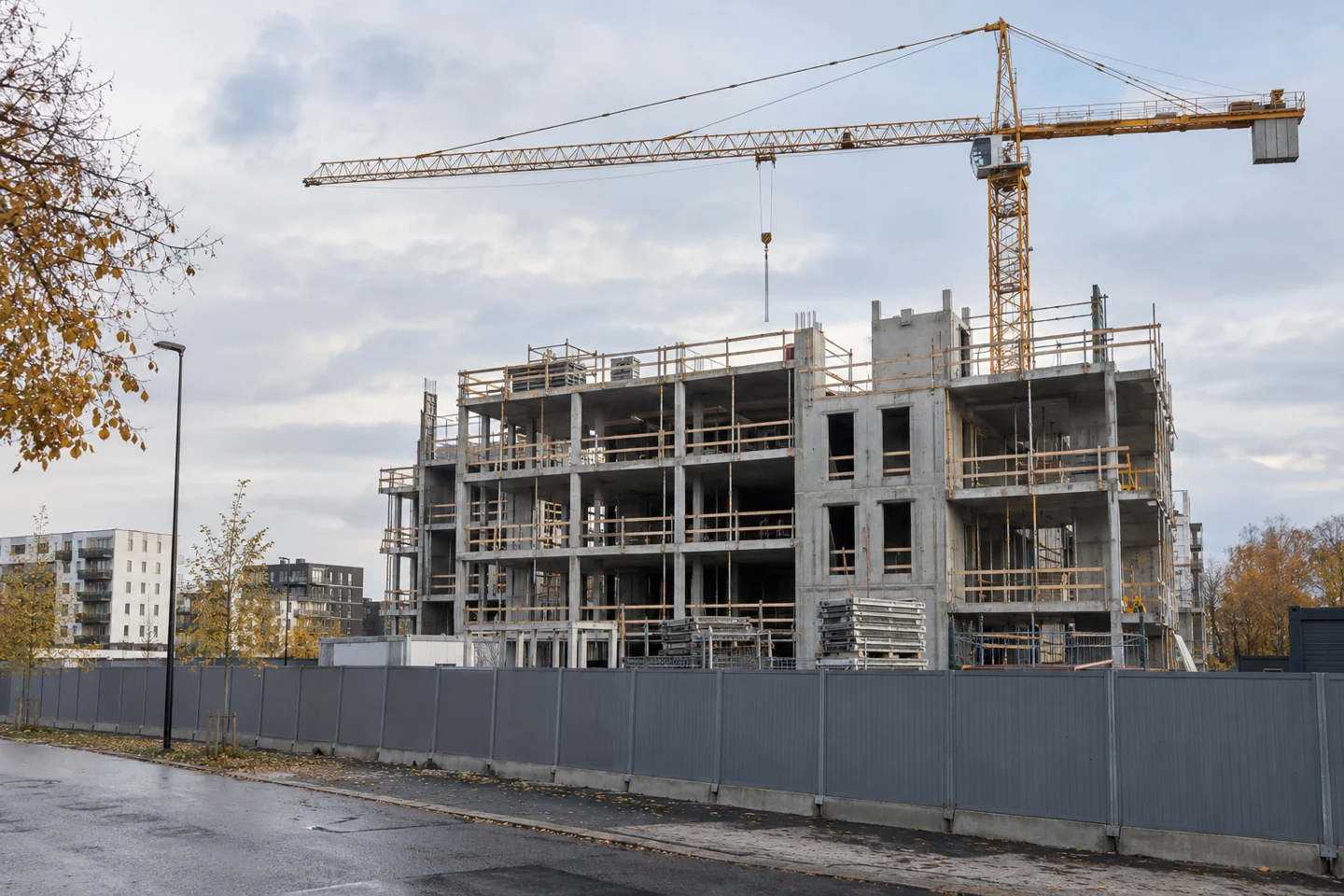
Illustrative Scandinavian building site beside completed urban properties on flat terrain.

For the board

Make the project-to-asset handover explicit: who accepts completion risk, who funds changes, and which operating cash flows justify the capital.

Explore shared decisions ↓

Developers

Return depends on land basis, consent and delivery timing, sales or leasing, and funding through completion.

A delayed start can change the investment thesis.

Holding land and work in progress consumes funding while delivery and sales remain uncertain. A delay can change both financing cost and the market into which the project completes.

So what

Re-underwrite the cash requirement and exit assumptions at each material commitment, not only at acquisition.

The next project competes with unfinished commitments.

A new development may look attractive on a standalone return while existing projects already consume equity and management capacity. Ranking headline returns misses the funding overlap.

So what

Stage starts against portfolio cash exposure, delivery capacity and the consequences of slower sales.

When the decision moves onto your agenda.

  • An acquisition or construction start reaches approval while the financing assumptions still reflect the original timetable.
  • Pre-sales or leasing fall behind plan after contractor commitments have been made.
  • Several projects reach their peak funding requirement in the same period.

Property owners

Return depends on durable net operating income, tenant retention and capital committed to the asset.

Headline rent can hide the cost of keeping income.

Incentives, vacancy periods and tenant improvements determine how much rent becomes cash. A nominal rent increase can be outweighed by the cost of securing or retaining the occupier.

So what

Compare effective cash rent and renewal cost across tenants before setting leasing targets.

Asset works and refinancing belong in one plan.

Maintenance, energy upgrades and fit-outs compete for cash around lease events and debt maturities. Separate property and treasury plans can defer work until its timing is most expensive.

So what

Combine asset-level investment, lease expiry and funding calendars before ranking discretionary projects.

When the decision moves onto your agenda.

  • A major lease expiry coincides with a refinancing or refurbishment decision.
  • Operating income holds up while cash after tenant incentives and capital works declines.
  • Acquired properties use different support and procurement arrangements with no common cost baseline.

Risk moves along the contract before it reaches the income statement.

A stronger contract position can weaken the delivery chain.

A developer may transfer price risk to a contractor, but contractor distress can return as delay, claims or replacement cost. The relevant exposure is the cost of completing the asset, not the apparent protection in an isolated contract.

A completed asset is only the next stage of the cash cycle.

Construction choices affect maintenance, energy demand and tenant flexibility long after handover. Lowest initial cost can leave the owner with a weaker operating asset.

Cases

Explore all engagements →

Talk it through with a partner.

Bring a live bid, project start, support-cost decision or asset investment. We would trace the risk and cash across contract, construction and ownership before choosing where to act.

Bearaco partners

Email a partner