Bearaco

Put capital to work. Make energy assets perform.

Oil and gas, power generation, regulated networks and energy transition projects create value in different ways. We help leadership teams connect portfolio choices, capital discipline and operating performance—working side by side to improve cash flow and returns across the asset lifecycle.

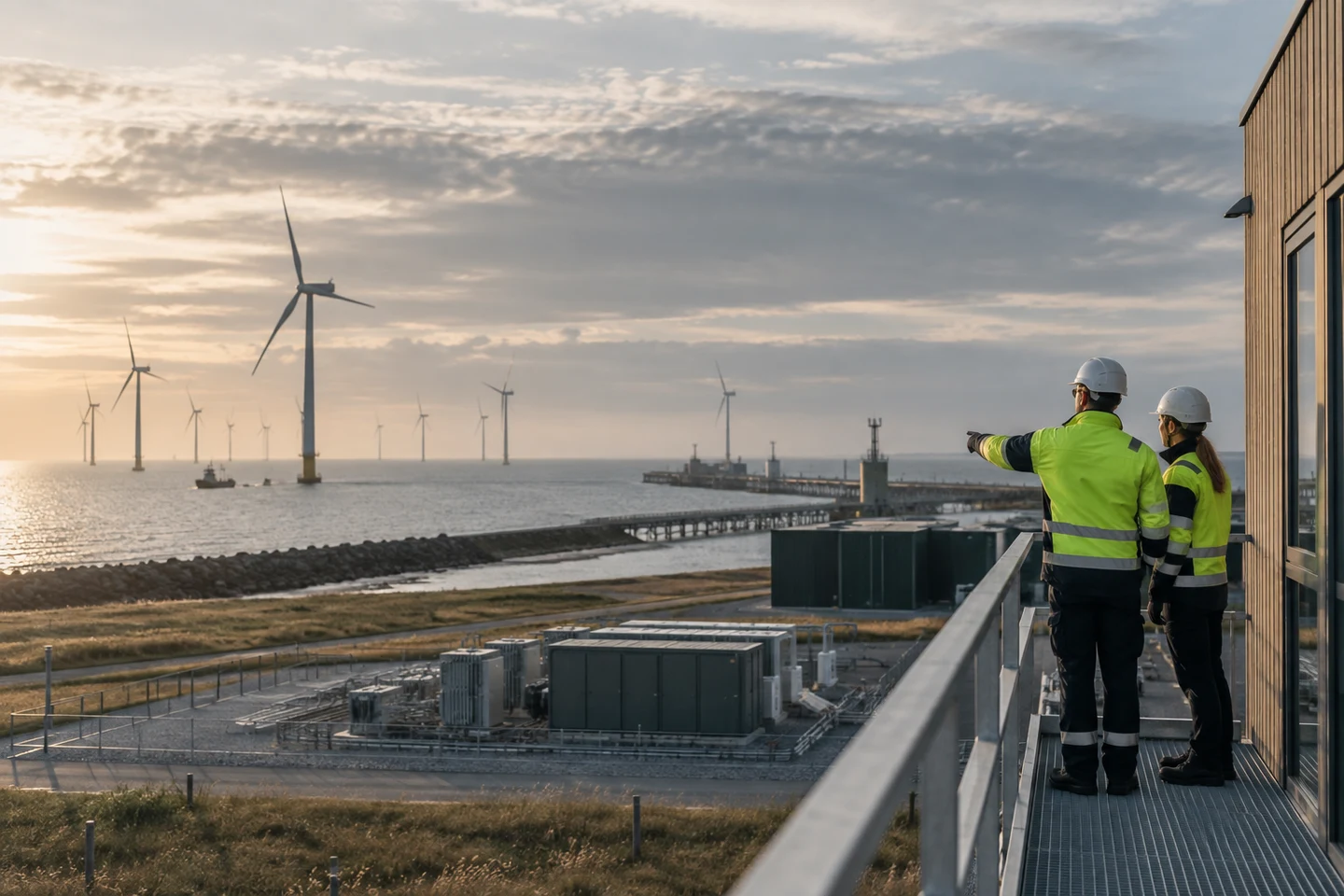
Illustrative coastal Nordic wind farm and energy infrastructure
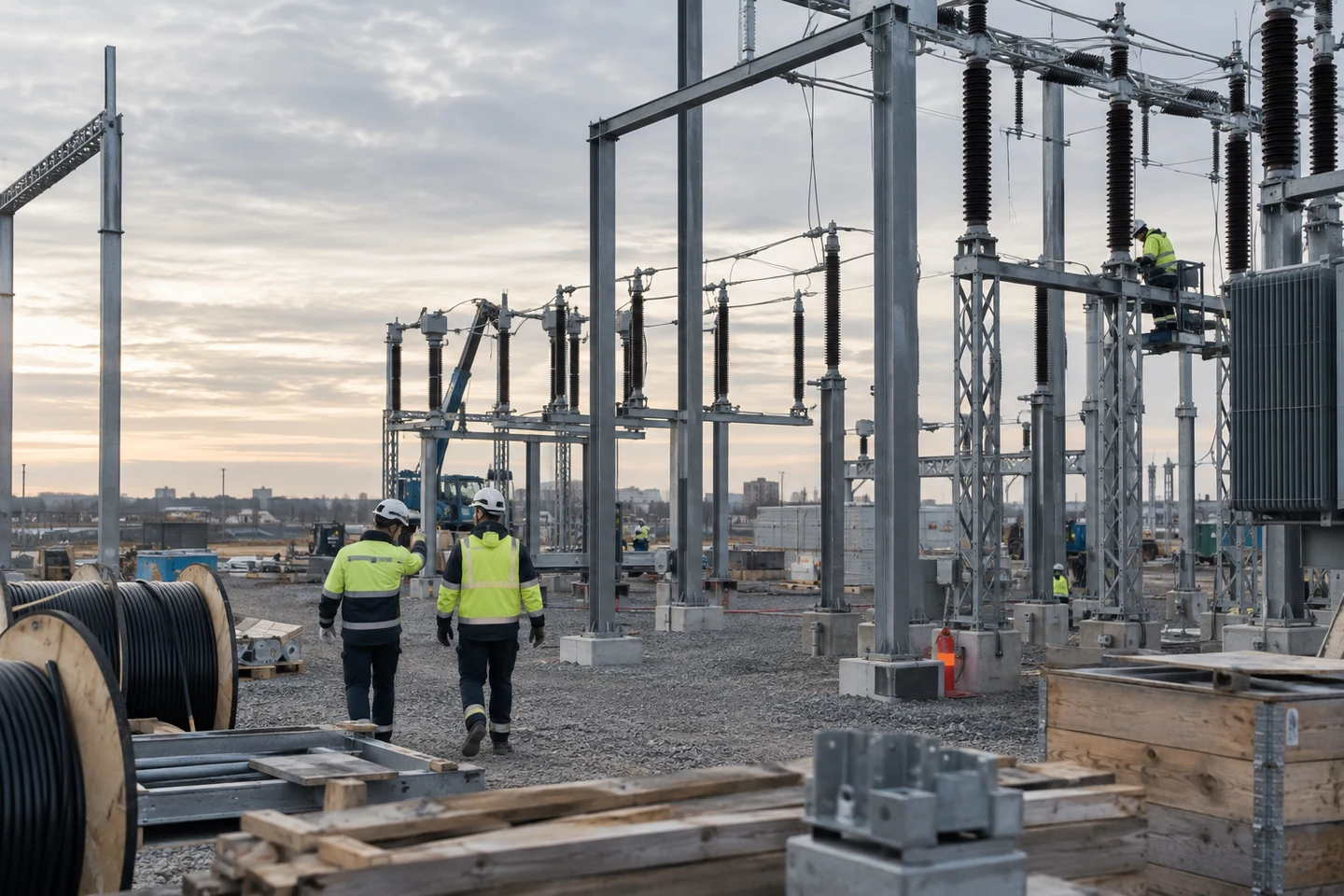
Illustrative An electrical substation construction site, steel gantries and technicians, flat European terrain

How the sector divides

Generation & supply

Return depends on realised output value, contracted exposure, availability and balancing cost.

Installed capacity is not the same as realised revenue.

Output arrives at particular hours and locations, while the commercial book may carry different delivery obligations. Headline energy-price assumptions can conceal the cost of shaping and balancing that exposure.

So what

Test the investment against realised output profiles and contract obligations rather than an annual price average.

Availability decisions change the commercial position.

A maintenance outage can require replacement purchases or change the value of contracted output. Treating maintenance separately from the trading and supply book misses that exposure.

So what

Coordinate maintenance windows, customer commitments and downside liquidity before finalising the operating plan.

When the decision moves onto your agenda.

  • An asset acquisition is valued using an average price that does not match its output profile.
  • A supply contract is renewed before generation availability and balancing needs are reviewed.
  • An outage changes the cash position more than the operating forecast anticipated.
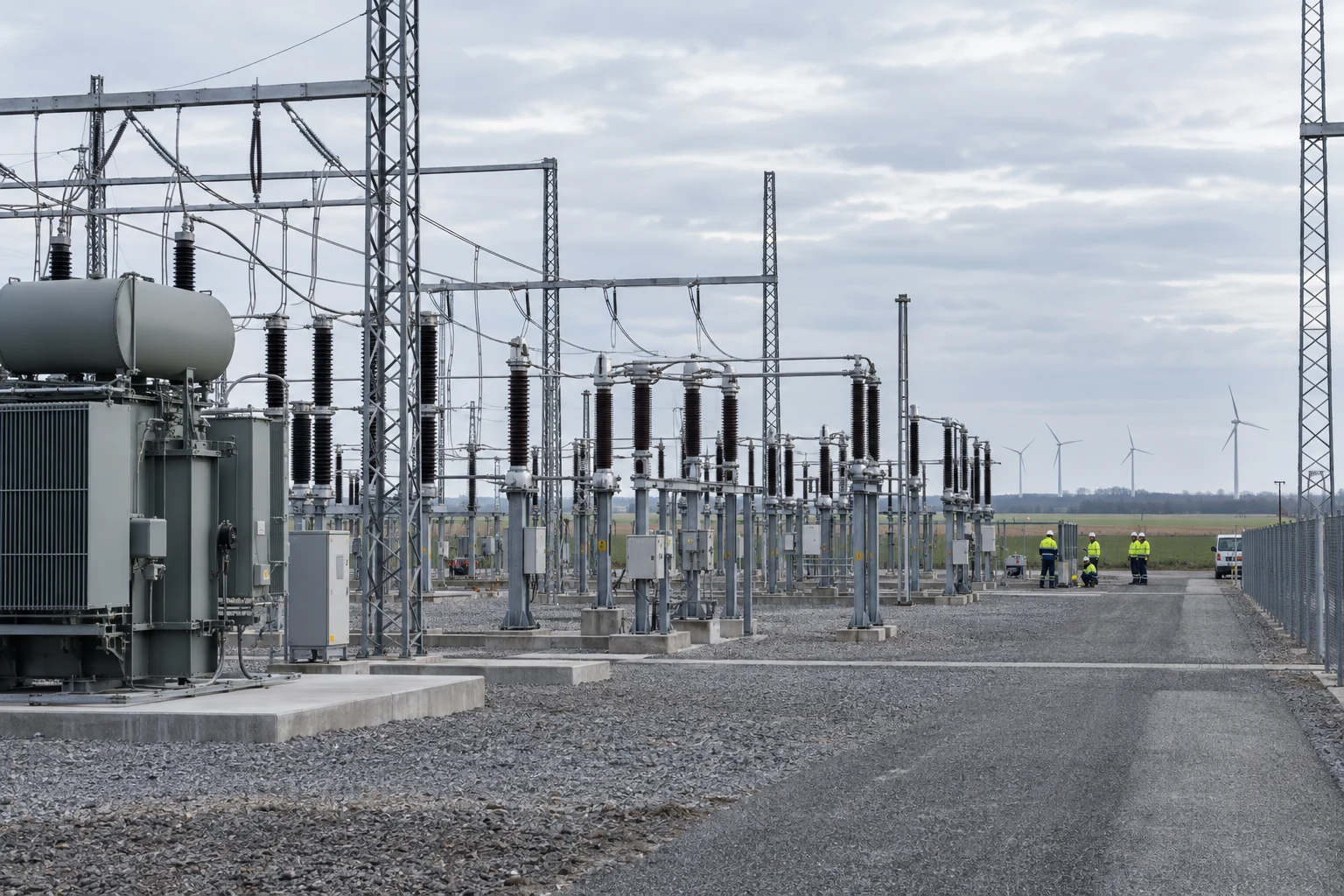
Illustrative electrical substation and maintenance crew on flat terrain with wind turbines on the horizon.

For the board

Stress-test cash generation against commodity-price changes, production outages and project delays before committing the combined capital plan.

Explore shared decisions ↓

Regulated networks

Return depends on investable demand, efficient delivery and the recovery of asset and operating costs.

A connection pipeline can exceed the capacity to deliver it.

Customer demand, permits, equipment and construction resources move on different timetables. Treating all connection requests as equivalent can commit scarce delivery capacity before the investment sequence is clear.

So what

Prioritise projects by deliverability, system need and the timing of recoverable cash flows.

Underinvestment and overspending can both weaken the return.

Deferring maintenance changes reliability exposure; accelerating capital can stretch delivery capability. Neither choice is resolved by a simple capex target.

So what

Use an asset-level investment sequence with explicit reliability, delivery and recovery assumptions.

When the decision moves onto your agenda.

  • Connection requests exceed the funded programme’s delivery capacity.
  • Procurement lead times move beyond the dates promised to customers.
  • An asset plan and financial plan assume different timing for completion and revenue recovery.

Transition build-out

Return depends on securing permits, connections, offtake and a controlled path to operating cash flow.

A project pipeline can conceal incompatible milestones.

Land, permits, equipment, grid access and offtake may each look advanced while their conditions do not align. Capital can become stranded between those milestones.

So what

Release funding against a joined-up critical path and explicit conditions for stopping or resequencing.

Construction completion does not remove ramp-up risk.

Commissioning, operating capability and customer acceptance determine when an asset earns cash. A project handover can leave unresolved interfaces in the operating business.

So what

Carry performance acceptance and operating readiness through the investment case and contractor plan.

When the decision moves onto your agenda.

  • A final investment decision approaches with grid access or offtake still conditional.
  • Equipment is ordered while a permit or connection milestone moves out.
  • A project reaches mechanical completion without a funded commissioning and operating plan.

Oil & Gas

Value depends on disciplined investment, reliable production and control of operating costs across the asset lifecycle.

Production growth is only valuable when it generates cash.

Field development, asset life extension and acquisitions compete for capital. Commodity prices, production decline, operating costs and decommissioning obligations can change which options create value.

So what

Compare investment options under downside scenarios, with explicit funding limits, decision gates and full lifecycle cash flows.

Lower costs must support safe, reliable operations.

Unplanned downtime, fragmented maintenance and contractor interfaces can erode margins. Across upstream operations, processing and oilfield services, isolated cost targets can shift costs between teams or weaken asset reliability.

So what

Connect maintenance planning, sourcing, contractor productivity and support costs in one performance agenda, with safety and asset integrity as constraints.

When the decision moves onto your agenda.

  • An investment or acquisition depends on a narrow commodity-price assumption.
  • Production availability falls while maintenance and contractor costs rise.
  • A mature asset needs a clear choice between life extension, divestment and decommissioning.
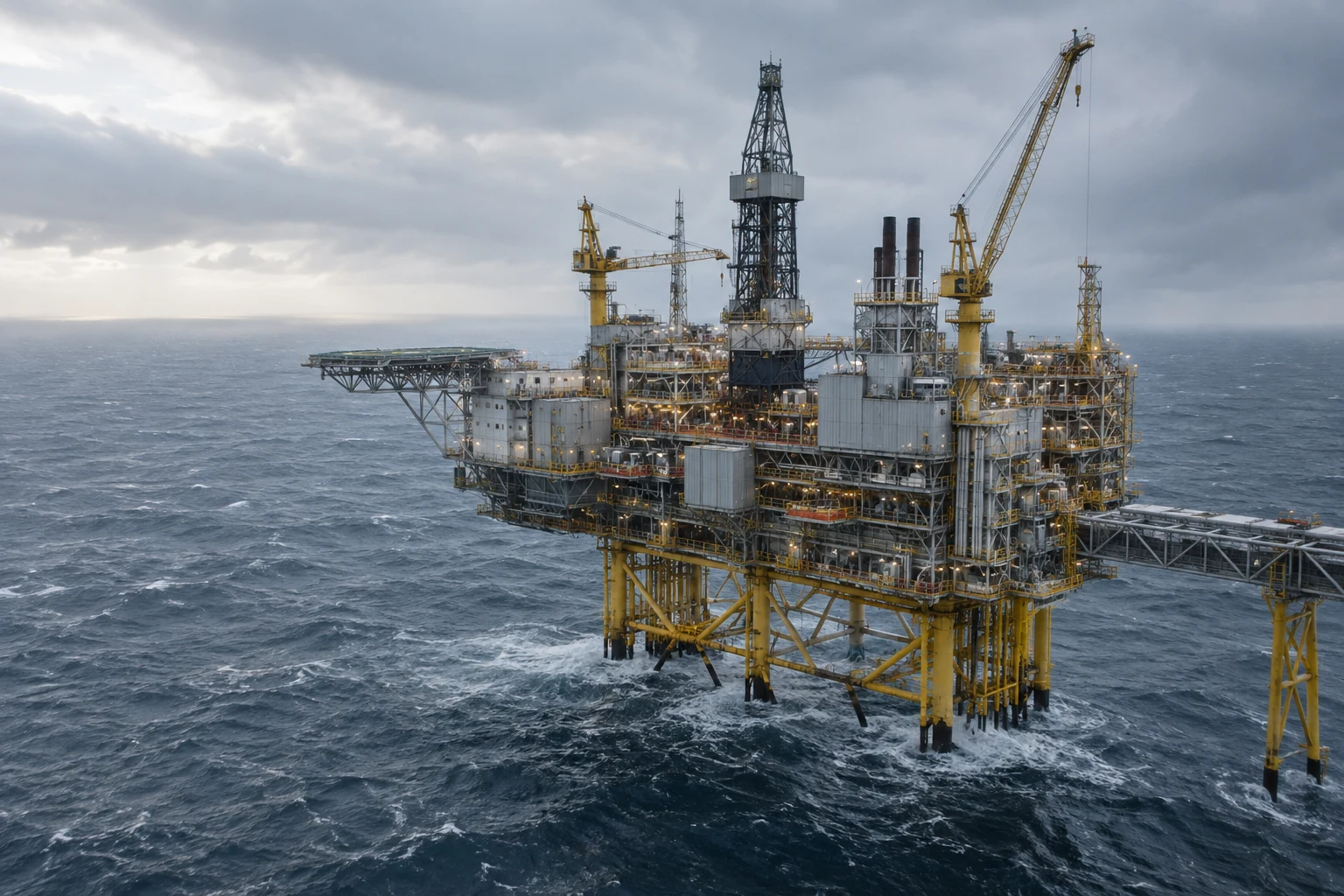
Illustrative offshore oil and gas production platform in the North Sea.
Offshore production · illustrative setting
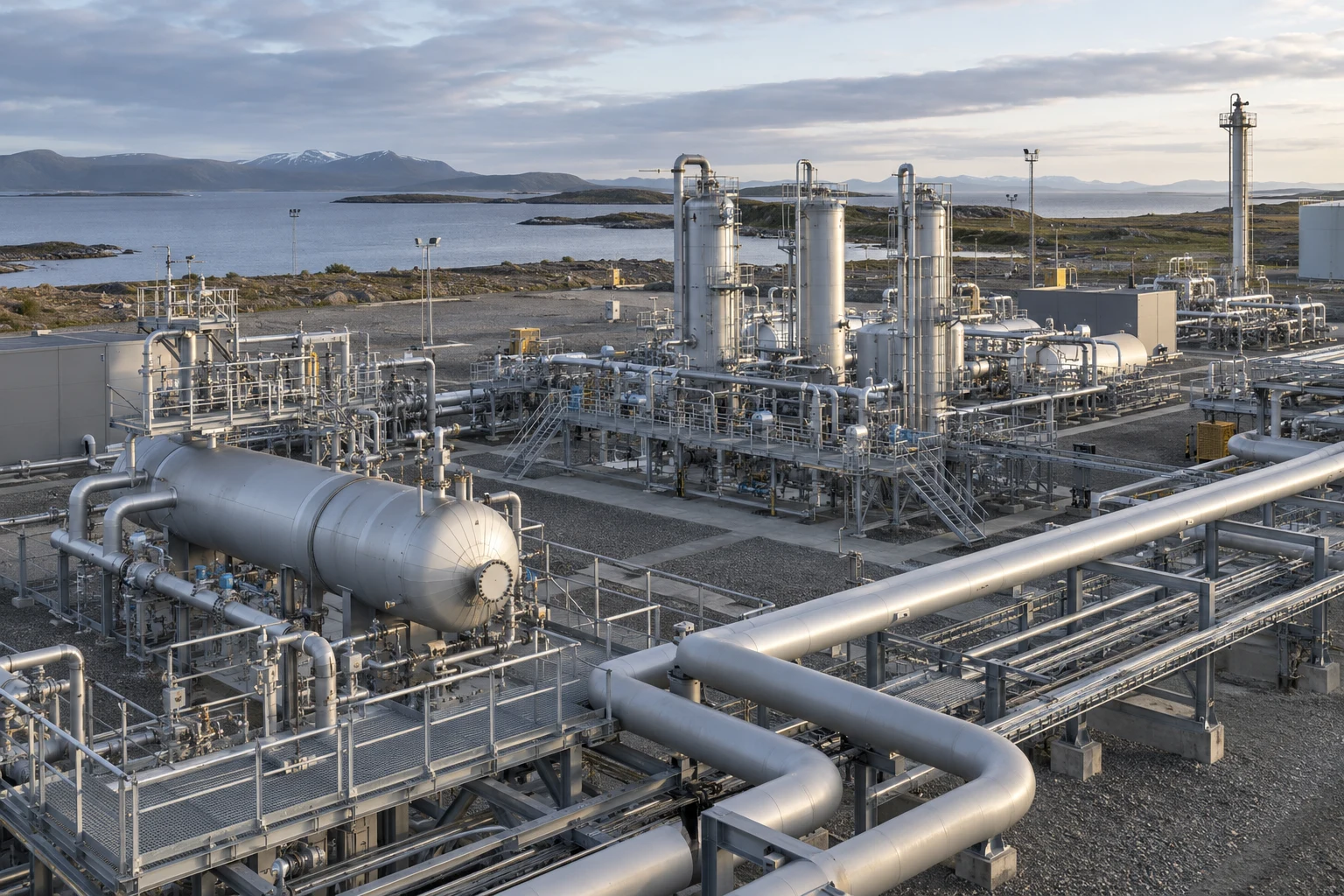
Illustrative Nordic gas processing facility with pipes, process vessels and maintenance walkways.
Processing and infrastructure · illustrative setting

Capital, capacity and execution connect the portfolio.

Compare cash flows, then test what each asset needs to deliver them.

Oil and gas assets, power generation, networks and transition projects carry different price, operating and delivery risks. Compare downside cash flows, funding needs and lifecycle obligations before allocating capital across the portfolio.

Separate investment plans compete for shared capacity.

Projects can draw on the same engineering teams, suppliers, contractors and grid connections. Sequence commitments around actual delivery capacity, and make trade-offs between new investment and the reliability of existing assets explicit.

Cases

The engagement below concerns airport infrastructure. Its procurement lessons are relevant to capital-intensive assets; it is not presented as an energy-sector mandate.

Explore all engagements →

Talk it through with a partner.

Bring a portfolio decision, an asset performance gap or a capital programme under pressure. Our partners work side by side with your team to test the economics, set priorities and turn decisions into measurable improvements in cash flow and returns.

Bearaco partners

Email a partner